




OEM vs Aftermarket Car Keys: What's the Difference?
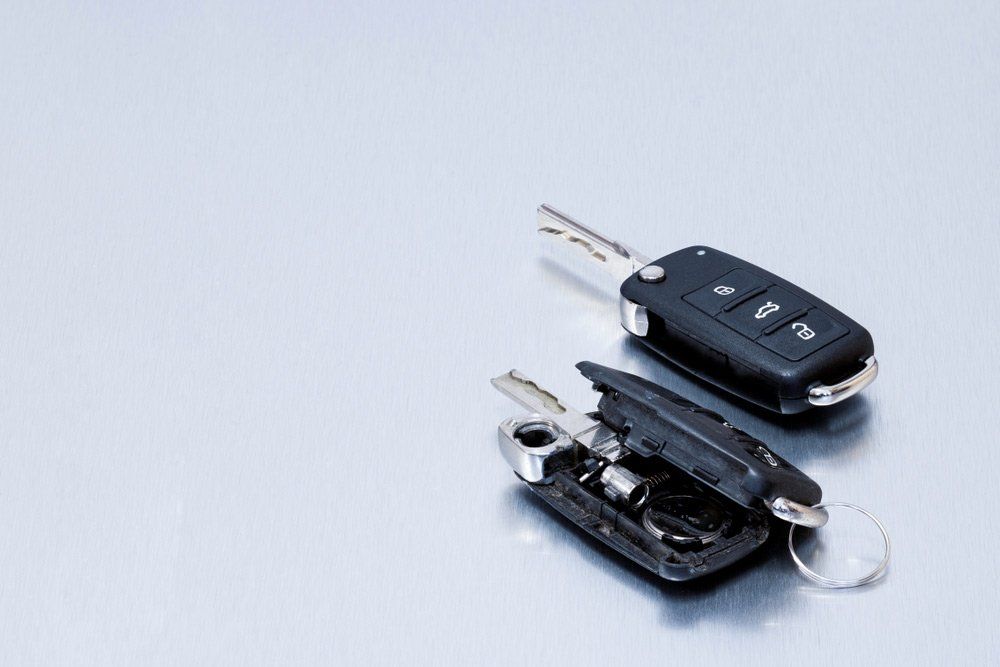
Losing a car key or needing a replacement used to mean a straightforward trip to a dealer. Today, vehicle owners have more options than ever, and the choice between OEM and aftermarket keys is one that comes up constantly. Whether you're replacing a lost key, duplicating a spare or simply weighing up your options, understanding what separates these two paths is worth your time. A qualified automotive locksmith in Belmont can help you navigate the decision, but it helps to know the basics before you pick up the phone.
What OEM Actually Means
OEM stands for Original Equipment Manufacturer. In the context of car keys, it means the key was produced by the vehicle's manufacturer or an authorised supplier working to factory specifications. When you buy an OEM key, you're getting a product that was designed specifically for your make and model, built to the same tolerances as the key that came with the car originally.
Drivers who prioritise an OEM replacement typically do so for reasons like:
- Guaranteed compatibility with the vehicle's existing immobiliser and remote systems.
- Consistent build quality that matches the original key exactly.
- Manufacturer warranty coverage that may extend to the replacement key itself.
For newer vehicles with complex electronics, that level of precision matters more than most people realise.
What Aftermarket Keys Are & How They're Made
Aftermarket keys are produced by third-party manufacturers rather than the vehicle's maker. They're designed to be compatible with a broad range of vehicles and are widely available through locksmiths, auto parts suppliers and online retailers. Quality varies considerably depending on the supplier, and that variation is really the central issue with aftermarket products.
The aftermarket category covers a wide spectrum, from:
- Budget blanks with basic cut compatibility but limited electronic functionality.
- Mid-range options with remote locking capability that works reliably for most common vehicles.
- Premium aftermarket keys engineered to closely replicate OEM specifications in both function and durability.
Knowing where a product sits on that spectrum before committing to it is the part most vehicle owners overlook.
How Programming Requirements Differ
Modern car keys do far more than mechanically unlock a door. Transponder chips, remote entry systems and proximity sensors all require programming to communicate with the vehicle's onboard computer. Both OEM and aftermarket keys need to go through this process, but the experience isn't always identical.
Most programming complications trace back to:
- Aftermarket keys that require specialist equipment or additional steps to complete programming correctly.
- Compatibility issues that occasionally arise on European and Japanese vehicles with proprietary immobiliser systems.
- OEM tools that streamline the process significantly, since manufacturer diagnostics recognise the key immediately.
A key that hasn't been programmed correctly won't start the vehicle, regardless of how well it's cut.
Where Build Quality Makes a Practical Difference
The physical construction of a car key affects how it holds up over years of daily use. OEM keys are built to the manufacturer's durability standards, which means the casing, buttons and internal components are tested to survive the conditions most drivers put them through. Aftermarket keys range from well-constructed to noticeably flimsy, and the difference becomes apparent over time rather than immediately. For anyone who has already consulted a locksmith in Belmont about a replacement, this is often the point in the conversation where the guidance becomes most useful.
Cheaper aftermarket keys tend to show their limitations in:
- Button responsiveness and casing rigidity, which degrade faster in lower-quality products.
- Battery compartment design, since poorly fitted covers can expose the key's electronics to moisture.
- Blade material and cut precision, which affects both how smoothly the key operates and how long it lasts.
A key that feels solid on day one isn't necessarily built to stay that way.
When OEM Is the Smarter Choice
For certain vehicles and situations, the case for OEM is straightforward. Newer cars with advanced security systems, luxury vehicles with proprietary key technology and any situation where manufacturer warranty is a consideration all point toward the OEM path. The higher upfront cost reflects a product that was designed for that specific vehicle and tested to work with it reliably.
OEM tends to be the better fit when:
- The vehicle is under manufacturer warranty and using non-OEM parts could affect coverage.
- The key involves proximity or push-button start technology that relies on precise signal matching.
- The owner wants a replacement that is indistinguishable from the original in both function and appearance.
Paying more upfront for the right key is usually cheaper than resolving compatibility problems later.
When Aftermarket Makes More Sense
Aftermarket keys aren't a compromise in every situation. For older vehicles with simpler key systems, straightforward transponder setups or owners who need a cost-effective spare rather than a primary replacement, a quality aftermarket key from a reputable supplier does the job without the dealership price tag. The key word is quality, and that's where the supplier and the locksmith's knowledge become critical factors.
Aftermarket is often the practical choice when:
- The vehicle is older and uses a basic transponder system that most aftermarket keys support reliably.
- A spare key is needed quickly and the priority is function over brand origin.
- Budget is a genuine constraint and a premium aftermarket option from a trusted supplier is available.
A good locksmith will tell you honestly which category your vehicle and situation fall into, and that's the conversation worth having before any money changes hands. Sourcing quality aftermarket car keys through an experienced automotive locksmith in Belmont gives you access to that knowledge before you commit to anything.
What to Ask Before Getting a Key Cut
Walking into a key replacement without asking the right questions first can lead to unnecessary expense or a product that doesn't perform as expected. The vehicle's age, key type, programming requirements and intended use all affect which option makes sense, and a locksmith who knows their trade will work through these with you before recommending anything.
Questions worth raising before any work begins:
- Whether the vehicle's immobiliser system has known compatibility issues with aftermarket keys.
- What programming method will be used and whether it requires a return visit or dealer involvement.
- Whether a warranty applies to the key itself and to the programming work carried out.
Getting clear answers to these questions upfront saves time, money and frustration down the track.
Making the Right Call for Your Vehicle
We at Lake Macquarie Mobile Locksmiths work with vehicle owners across the region every day on exactly these kinds of decisions. We carry quality aftermarket options and have access to OEM keys where the situation calls for it, and we'll always give you a straight assessment of which path suits your vehicle and your budget. Whether you've lost a key, need a spare cut or want to understand your options before committing, our team brings the experience to get it right the first time.
Contact us to book a visit from a trusted
automotive locksmith in Belmont and surrounding areas, and we'll take care of the rest.


